

Custom backpacks are a versatile and effective way to promote a brand, express individuality, or meet specific functional needs. The key to creating a unique and appealing backpack lies in meticulously choosing and customizing its design elements. From logos and patterns to colors and hardware, each element plays a crucial role in shaping the final product.
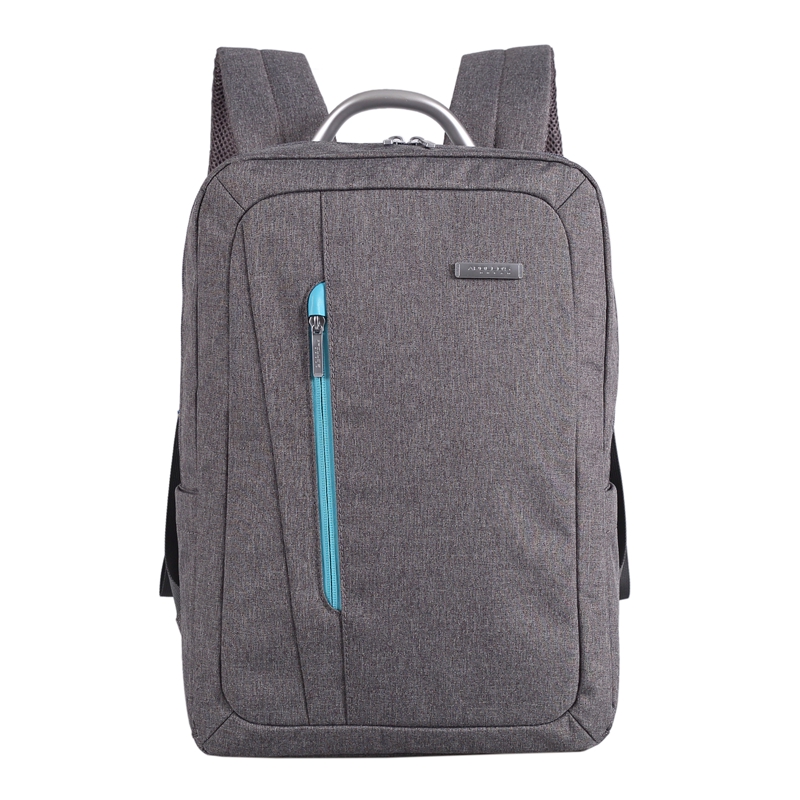
1. Logos
Logos are the cornerstone of brand identity and can be seamlessly integrated into backpack designs. Custom backpacks often feature prominent logos that serve as a walking advertisement for the brand. Whether embroidered, printed, or embossed, logos can be placed on various parts of the backpack, such as the front panel, shoulder straps, or even the interior lining. The choice of logo size, font, and color is crucial in ensuring it stands out while maintaining brand consistency.
2. Patterns
Patterns add visual interest and can elevate a backpack from ordinary to extraordinary. Custom patterns can range from subtle textures to bold, graphic designs. From abstract art to nature-inspired motifs, patterns can be tailored to reflect the brand's personality or the user's personal style. Patterns can be applied through printing, weaving, or embroidery techniques, each offering a unique aesthetic and texture.
3. Colors
Color plays a pivotal role in creating a lasting impression. Custom backpacks offer the flexibility to choose from a vast palette of colors, allowing for endless combinations and personalization. Brands often opt for their signature colors to maintain brand recognition, while individuals may prefer colors that reflect their personality or mood. Color selection also impacts the backpack's perceived durability and style; darker shades tend to be more versatile and less prone to showing dirt, while brighter hues can add a playful and energetic touch.
4. Hardware
Hardware, such as zippers, buckles, and D-rings, is not just functional; it's also a significant style element. Custom backpacks can feature hardware in various finishes, including matte, polished, and brushed metal, each offering a distinct look and feel. Hardware can also be color-coordinated with the backpack's overall design, enhancing its aesthetic appeal. Choosing high-quality hardware ensures that the backpack is not only stylish but also durable and reliable.
5. Pockets and Compartments
While not traditionally considered a design element, the configuration of pockets and compartments can significantly impact a backpack's functionality and appeal. Custom backpacks can be designed with a variety of pockets, including laptop sleeves, tablet compartments, hidden pockets for valuables, and external water bottle holders. Thoughtful pocket placement and sizing enhance organization and make it easier for users to access their belongings quickly and efficiently.
6. Straps and Handles
Straps and handles are not just functional components; they also contribute to the backpack's overall aesthetic. Custom backpacks can feature padded straps for comfort, adjustable straps for a personalized fit, and stylish handles for carrying. Materials like nylon, leather, or neoprene can be used for straps and handles, each offering unique comfort levels and durability. The design and color of straps and handles can also be customized to complement the backpack's overall look.
7. Embellishments
Embellishments, such as charms, patches, or appliqués, can add a personal touch to custom backpacks. These decorative elements can be themed around specific interests, hobbies, or events, making the backpack a conversation starter and a reflection of the user's personality. Embellishments can be attached to the straps, exterior panels, or even the interior lining, offering endless customization options.
Custom backpacks are a blank canvas for creativity and personalization. By carefully selecting and customizing design elements such as logos, patterns, colors, hardware, pockets, straps, and embellishments, brands and individuals can create unique and appealing backpacks that resonate with their target audience. The key to successful customization lies in understanding the target market, aligning with brand values, and prioritizing functionality and style. With the right combination of design elements, custom backpacks can become powerful tools for expression, promotion, and functionality.