
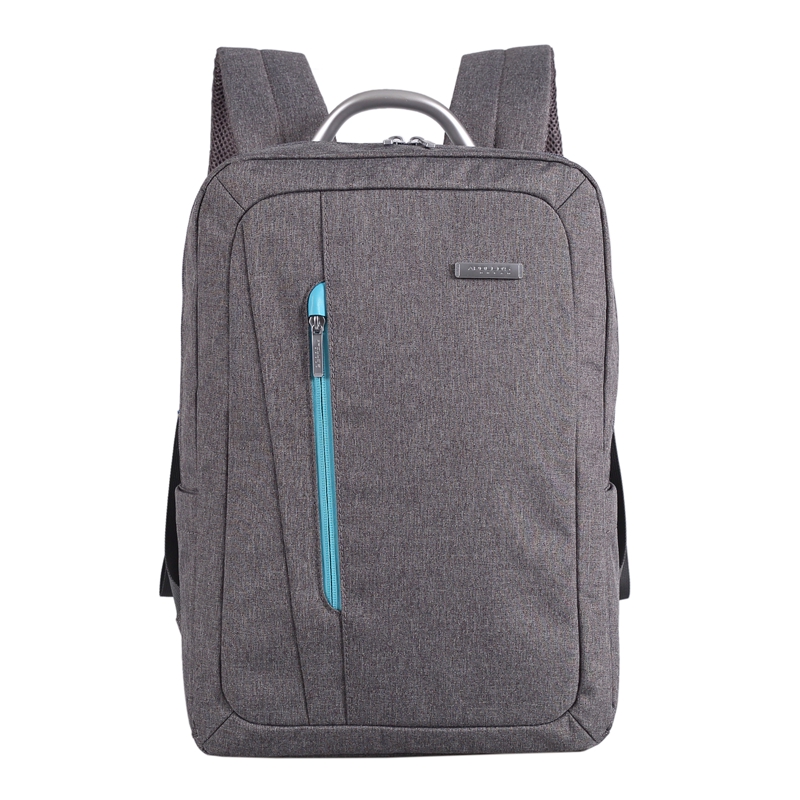
In today’s business world, sustainability has become more than just a trend—it's a necessity. With increasing awareness of environmental issues and the push towards responsible consumerism, many companies and individuals are seeking eco-friendly products, even for items as everyday as business backpacks. The fashion industry, traditionally criticized for its environmental footprint, is now turning towards greener solutions. Custom fashion business backpacks are no exception, with a growing emphasis on using sustainable and eco-friendly materials like recycled fabrics and biodegradable options.
1. Why Choose Eco-Friendly Customization for Business Backpacks?
The business backpack, often used daily, can have a significant environmental impact due to the materials and processes involved in its production. By choosing sustainable options, companies and consumers contribute to reducing waste, conserving resources, and lowering carbon footprints. Here are some key reasons why eco-friendly customization is becoming a top priority:
-
Reducing Environmental Impact: Traditional synthetic materials like nylon and polyester are derived from non-renewable resources (oil) and have a long decomposition period, contributing to pollution. Choosing eco-friendly alternatives reduces the environmental burden.
-
Brand Image and Corporate Responsibility: Companies using sustainable products demonstrate a commitment to environmental responsibility. A custom eco-friendly business backpack not only aligns with the values of environmentally-conscious customers but also enhances a brand’s image as socially responsible.
-
Consumer Demand for Sustainability: Today’s consumers, especially Millennials and Gen Z, are increasingly valuing sustainability. Custom fashion business backpacks that are eco-friendly cater to this demographic, meeting the demand for stylish yet responsible fashion choices.
2. Types of Sustainable Materials for Custom Business Backpacks
Sustainable and eco-friendly materials are not only functional but can also be aesthetically pleasing, allowing for stylish customization options without sacrificing quality. Here are some of the most popular eco-friendly materials being used in custom business backpacks:
-
Recycled Polyester (rPET): Made from recycled plastic bottles, rPET has become a popular material for eco-friendly backpacks. It offers the same durability and water resistance as traditional polyester but with a significantly lower environmental impact.
-
Organic Cotton: Grown without the use of harmful pesticides and fertilizers, organic cotton is a biodegradable and renewable fabric. It’s breathable, lightweight, and offers a natural look that appeals to eco-conscious consumers.
-
Cork Fabric: Harvested from the bark of cork oak trees, cork fabric is a renewable and biodegradable material. It’s lightweight, water-resistant, and has a unique texture, making it a stylish choice for custom business backpacks.
-
Recycled Nylon: Similar to rPET, recycled nylon is made from discarded fishing nets, fabric scraps, and other post-consumer waste. It’s a durable and versatile material that reduces the reliance on virgin nylon, which is petroleum-based.
-
Hemp Fabric: Hemp is a highly sustainable crop that requires minimal water and no pesticides. Hemp fabric is strong, durable, and naturally resistant to mold and UV rays, making it an excellent choice for sturdy business backpacks.
-
Biodegradable TPU (Thermoplastic Polyurethane): Some companies are exploring biodegradable TPU as a more sustainable alternative to traditional plastics. It provides flexibility, abrasion resistance, and water resistance while being compostable under certain conditions.
-
Piñatex: A relatively new sustainable material, Piñatex is made from the fibers of pineapple leaves, a byproduct of the pineapple industry. It’s a vegan alternative to leather and is both durable and environmentally friendly.
3. Advantages of Using Sustainable Materials in Business Backpacks
Switching to eco-friendly materials for custom business backpacks offers several advantages beyond environmental benefits. Let’s explore the various ways these materials contribute to a better product:
-
Durability and Longevity: Many sustainable materials, such as recycled polyester and hemp, are incredibly durable. They offer long-lasting wear, which reduces the need for frequent replacements, contributing to less waste over time.
-
Unique Aesthetic Appeal: Eco-friendly materials often have distinct textures and appearances that set them apart from traditional options. Whether it’s the rustic look of cork or the sleek feel of recycled nylon, these materials add a unique touch to customized designs.
-
Versatility in Design: Sustainable materials are available in a wide range of colors, patterns, and finishes, allowing for endless customization possibilities. This versatility makes it easier for brands to create unique and stylish business backpacks that appeal to a diverse audience.
-
Healthier for Users: Eco-friendly materials, especially natural fabrics like organic cotton and hemp, are often free from harmful chemicals found in conventional textiles. This makes them safer for users, especially those with sensitive skin or allergies.
4. Challenges and Considerations in Eco-Friendly Customization
While there are many benefits to using sustainable materials in business backpacks, there are also some challenges to consider:
-
Higher Costs: Sustainable materials can be more expensive than conventional options, which may impact the overall cost of custom backpacks. However, the long-term benefits, such as durability and brand reputation, often justify the initial investment.
-
Availability and Supply Chain: Some eco-friendly materials may have limited availability, depending on the region and supply chain. Brands may need to work with specialized suppliers to access high-quality sustainable fabrics.
-
Certification and Standards: Ensuring that materials are genuinely eco-friendly can be challenging. Brands should look for certifications like GOTS (Global Organic Textile Standard) for organic cotton, OEKO-TEX for textile safety, and Bluesign for environmentally-friendly production processes.
5. Tips for Choosing Eco-Friendly Custom Backpacks
For companies and consumers looking to invest in custom eco-friendly business backpacks, here are some tips to ensure you make the best choice:
-
Research the Materials: Understand the properties of different sustainable materials and choose one that matches your functional and aesthetic requirements.
-
Check Certifications: Look for reliable certifications that guarantee the sustainability of the materials used.
-
Prioritize Functionality: Don’t compromise on the functionality of the backpack. Ensure that the eco-friendly material provides the durability, water resistance, and features you need for business use.
-
Consider Recycled Content: Opt for materials with a high percentage of recycled content to minimize environmental impact.
-
Support Ethical Brands: Choose manufacturers and suppliers who adhere to ethical and sustainable practices, from sourcing to production.
7. The Future of Eco-Friendly Business Backpacks
As technology advances, the future of eco-friendly business backpacks looks promising. Innovations in sustainable materials, such as biodegradable composites, plant-based synthetics, and smart textiles, are likely to revolutionize the industry. Companies will have more options for customization, allowing them to create even more sophisticated and environmentally-friendly products. Additionally, as consumer demand for green products grows, economies of scale may lower the costs of sustainable materials, making them accessible to a wider audience.
Eco-friendly customization in business backpacks is not just a passing fad; it’s a crucial step towards a more sustainable future. By choosing recycled fabrics, biodegradable materials, and other eco-friendly options, brands and consumers can contribute to environmental conservation while still enjoying stylish, functional, and durable products. The shift towards sustainable materials is a testament to how the fashion industry, even in the realm of business accessories, is evolving to meet the challenges of a greener tomorrow.